
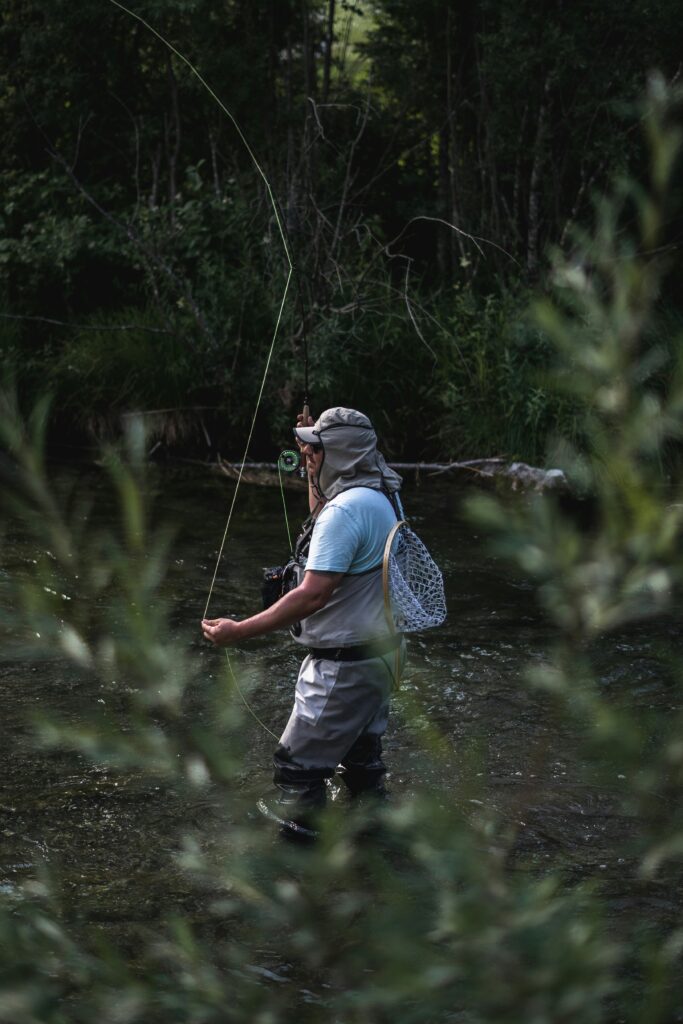
What is Fly Fishing?
Fly fishing is a method of fishing that uses a lightweight artificial fly to catch fish. Unlike traditional fishing, where the weight of the lure or bait carries the line, fly fishing relies on the weight of the specialized fly line to deliver the nearly weightless fly to the target. It requires a distinct casting technique, designed to present the fly delicately and naturally—often imitating insects or other small fish that trout commonly feed on.
This style of fishing is most commonly associated with trout and salmon in freshwater rivers and streams, but it’s also effective for species in lakes, warmwater systems, and even saltwater environments. Anglers use different types of flies—such as dry flies, nymphs, and streamers—depending on conditions and target species.
Fly fishing is as much about observation and understanding as it is about technique. Success often comes down to reading the water, matching local insect hatches, and adjusting to subtle changes in current, light, or temperature. It’s a lifelong learning process where the river becomes your classroom and every outing teaches you something new.
For many, fly fishing goes beyond catching fish. It offers a quiet connection to nature, a way to unplug and focus, and a craft that can be refined over a lifetime. Whether you’re standing knee-deep in a mountain stream or casting from a salt flat, it’s a method rooted in skill, simplicity, and a deep respect for the environment.
Photo by trenchophotography on Unsplash
Types of Fish Commonly Targeted
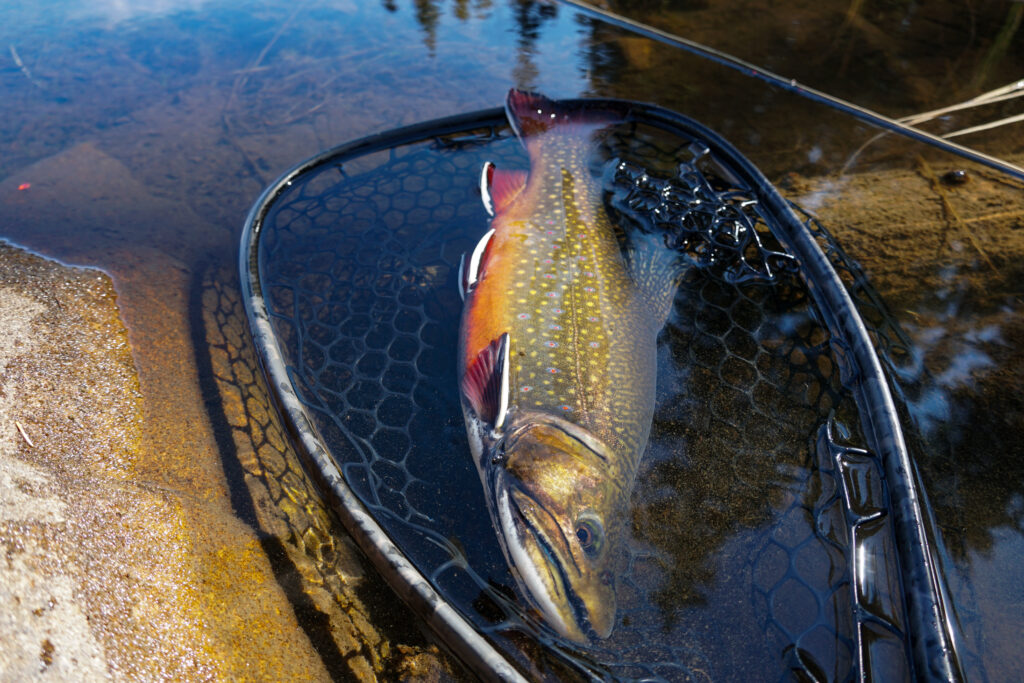
Fly fishing is famously associated with trout and salmon, especially in mountain streams and cool rivers—but the reach of the fly rod goes far beyond that. In freshwater, species like bass, panfish, carp, and pike are increasingly popular among fly anglers. Lakes and reservoirs offer unique challenges and rewards with larger, often more elusive fish.
In saltwater, fly fishing expands into a whole new world: bonefish on tropical flats, redfish in coastal marshes, striped bass in estuaries, and even offshore species like tuna or sailfish for the truly ambitious. Each target requires different flies, tactics, and gear setups—but the core principles remain rooted in observation, presentation, and precision.
Photo by Harper Smith
The Learning Curve: What to Expect as a Beginner
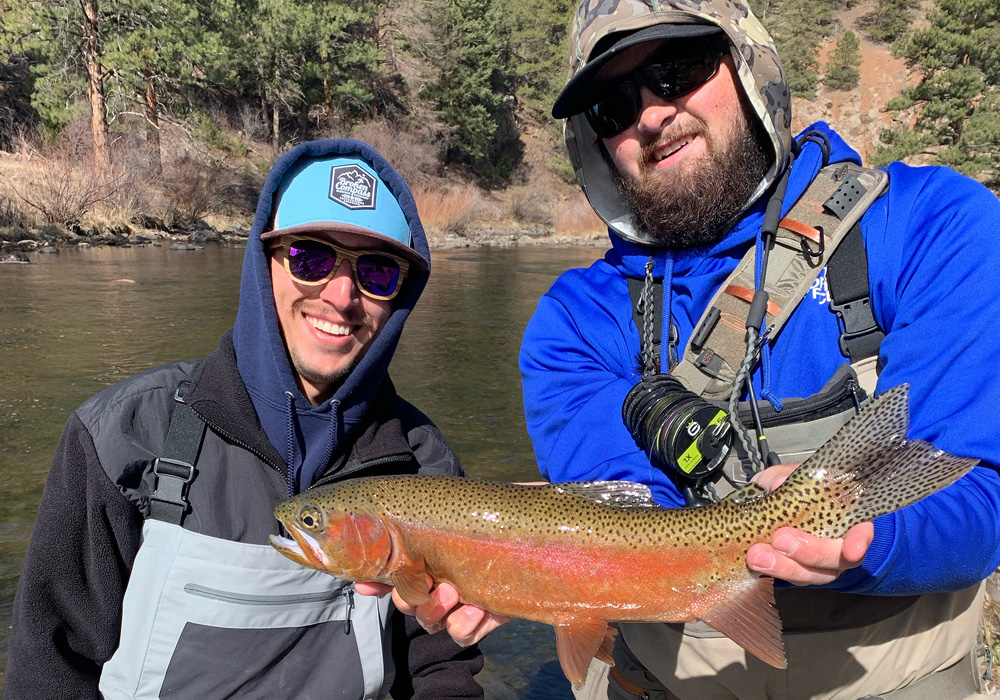
Fly fishing has a well-earned reputation for being more technique-driven than other types of angling—and that can be intimidating at first. Casting alone takes practice to master. Add in knot tying, fly selection, reading water, and understanding insect hatches, and it’s easy to feel overwhelmed.
But learning fly fishing doesn’t have to be a solo mission. With the right guidance and a mindset geared toward patience, newcomers can progress quickly. It’s a skill set built gradually—from handling the rod and line to tying on a fly with confidence. Progress tends to come in milestones, and early challenges often turn into long-term rewards. Most anglers will tell you: it’s the learning journey that hooks you more than the fish themselves.
Want a jump start on that journey? Golden Fly Shop offers guided trips custom-tailored to your experience level—whether you’re still figuring out which end of the rod to hold or you’ve got a few outings under your belt and want to refine your technique. Our walk/wade trips are perfect for beginners, with expert guides who’ll show you the ropes and put you on good water.
Or, if you’d rather ease into it, consider our Fly Fishing 101 class, held monthly at the shop during the season. You’ll learn how to rig up, tie basic knots, and understand the gear—plus get real answers to the questions you might be too shy to ask on the river.
Bottom line? You don’t have to figure this all out alone. We’ve helped hundreds of folks take their first steps into fly fishing—and we’d be glad to help you, too.